Blog writing by a human is a powerful SEO strategy
Given the massive shift in how Google now presents its search results, blog writing by a human is a powerful SEO strategy.
Google announced they were moving to an AI chatbot experience by default , so instead of seeing the list of links you always have, you'll now be chatting with the machine. That's an almighty shift right? Google has gone from being a directory of websites to being an entity that answers questions itself, increasingly without sending people to your site at all - in a nutshell, Google wants to keep you on Google.
For years, SEO advice was dominated by keywords. Find the phrase people are searching for, use it enough times on your page, and Google will reward you with visibility. It worked but those days are long gone, in fact this “strategy” hasn’t worked for some time, these were blogs that were written to check the keyword box not written for the user.
What do AI Overviews actually mean for your content?
If you've searched for something recently and seen a block of text appear at the very top of the results page, above the SERP (search engine results page), generated by Google itself, that's an AI Overview. Google is pulling information from across the web, synthesising it, and presenting a direct answer before anyone has clicked anything and now you have the option to ask the bot for more info rather than click directly on to a website link…
For some searches this is fairly straightforward. But for the kind of nuanced, specific questions your clients might be asking eg how to manage creative blocks, what to look for in a wedding florist, whether a leadership coach is right for them, it changes everything about how content needs to be written to have a chance of being seen.
In my experience, AI Overviews don't just reward content that contains the right keywords. They reward content that answers questions clearly, specifically, and with genuine authority. Google is essentially asking: does this page actually help someone who is looking for this information? Is it written by someone who knows what they're talking about? Does it say something distinct, or is it a repackaged version of everything else out there?
Write like someone who knows their subject, from direct experience, for other people who genuinely need to understand it. Search is very much intent driven - put yourself in the shoes of your potential customer, ask yourself why are they searching - what is their intent (and if it’s more than one then… bingo!!)
Is it:
Informational The person wants to learn something. They're not ready to buy yet. Examples: "what is SEO", "how to write a blog post", "what does a wedding florist do"
Navigational The person knows where they want to go and is using Google to get there. Examples: "Clare Ashbrook SEO"
Commercial The person is researching before making a decision. They're comparing options. Examples: "best SEO consultant for small business", "top wedding florists Manchester", "yoga retreats UK 2026"
Transactional The person is ready to take action - buy, book, sign up. Examples: "hire an SEO consultant", "book yoga retreat", "buy SEO audit"
So where do I stand on keyword research?
Keyword research still matters. Knowing what your ideal clients are actually typing into Google, what questions they have, what problems they're trying to solve, what language they use is very helpful. It helps you write content that connects with real searches rather than disappearing into the void. I still do it for every client I work with, and I'd never suggest skipping it entirely.
But the way I use keyword research has changed as SEO and AI overview has changed. Yes, I did sometimes use it as a starting point and the reason a piece of conent exists but now my blog writing (and the advice I give to others) is much more centered around human experience and opinion, that there needs to be a balance. Of course you want to be searchable but you want Google and users to understand that you offer a human touch, a trusted opinion, writing that is of value and valuable.
What I think this means in practice
It doesn't mean abandoning structure. In my experience, a well-organised blog post with clear headings, a direct answer early on, and specific detail throughout will always perform better than one that wanders. Google and the people reading it still need to be able to find what they came for quickly.
It doesn't mean ignoring search entirely either. If you're writing about something your clients genuinely ask you about, there's a good chance other people are searching for it too. Knowing that certain phrases are actually used by real people looking for what you offer is worth knowing, and I'd always rather write with that awareness than without it.
But what I do believe, more strongly than I did a few years ago, is that the most powerful thing you can do for your visibility right now is write with genuine intention about things you actually know. Not to game an algorithm, but because Google has finally got better at telling the difference between content that helps and content that just exists.
The businesses that have always written that way are the ones that are going to benefit most from where search is heading. And for small, specialist, relationship-led businesses, the florists and coaches and creatives I work with every day, I think that's very good news indeed.
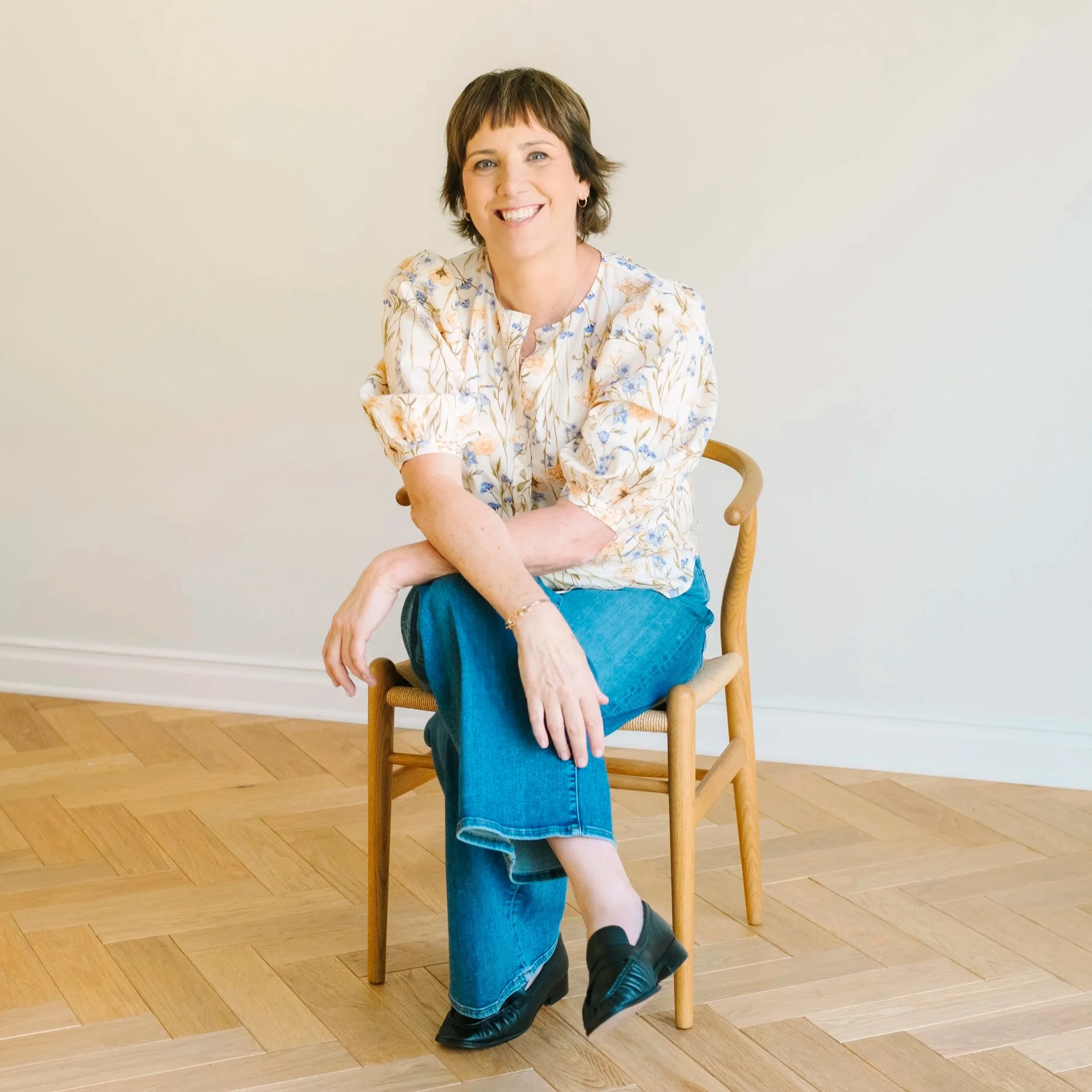
Hi I’m Clare
I support florists, creatives and coaches with SEO-led marketing. It’s a collaborative, calm approach that’s intended to lighten your work-load and grow your business.
If you’d like to set up a (no obligation) call you can contact me HERE